Have you ever snapped that perfect photo with your cell phone and wish you could have that photo on your wall? How many photos are sitting in your Photos app in your phone waiting to be hung on your wall? While you can't always be prepared with a high resolution camera or a photographer, I can take those special moments and turn them in to work of art.
What you need know:
-Not all shots can be enhanced and enlarged. This greatly depends on the quality of your shot and if there is any blur due to normal hand shake. Low light shots are most difficult to get rid of noise once enlarged. I can determine this once viewed on my computer.
-While todays cell phone resolution can be high, a 4x7 (not 4x6) print is the size you'll be looking at when printing without any enlarging or modifying.
-Due to cell phone photos taken in JPEG format and not RAW (see bottom of page for explanation), enhancing of colors, brightening, removing noise and facial retouching can be difficult if not impossible.
-What you will get:
- Enhancing of colors, if necessary. Retouching, if possible. Making shadows darker or dimming highlights/hotspots on faces.
- Modifying of the native aspect ratio and enlarging. (taking a 4x7 and converting it to 8x10 or a 12x18)
- Print and framing of your photo. Matting, if requested.
- One on One help determining the frame style, matting, size and location of your new hanging wall photo.
- Delivery or shipping depending on your location. (additional charge may be added)
- Cost per photo: $100 + print, framing and materials costs.
- $100 fee includes my time to enhance, retouch, enlarge, test print if necessary, and prepare the framed photo.
Why can't my cell phone photo be edited or enlarged?
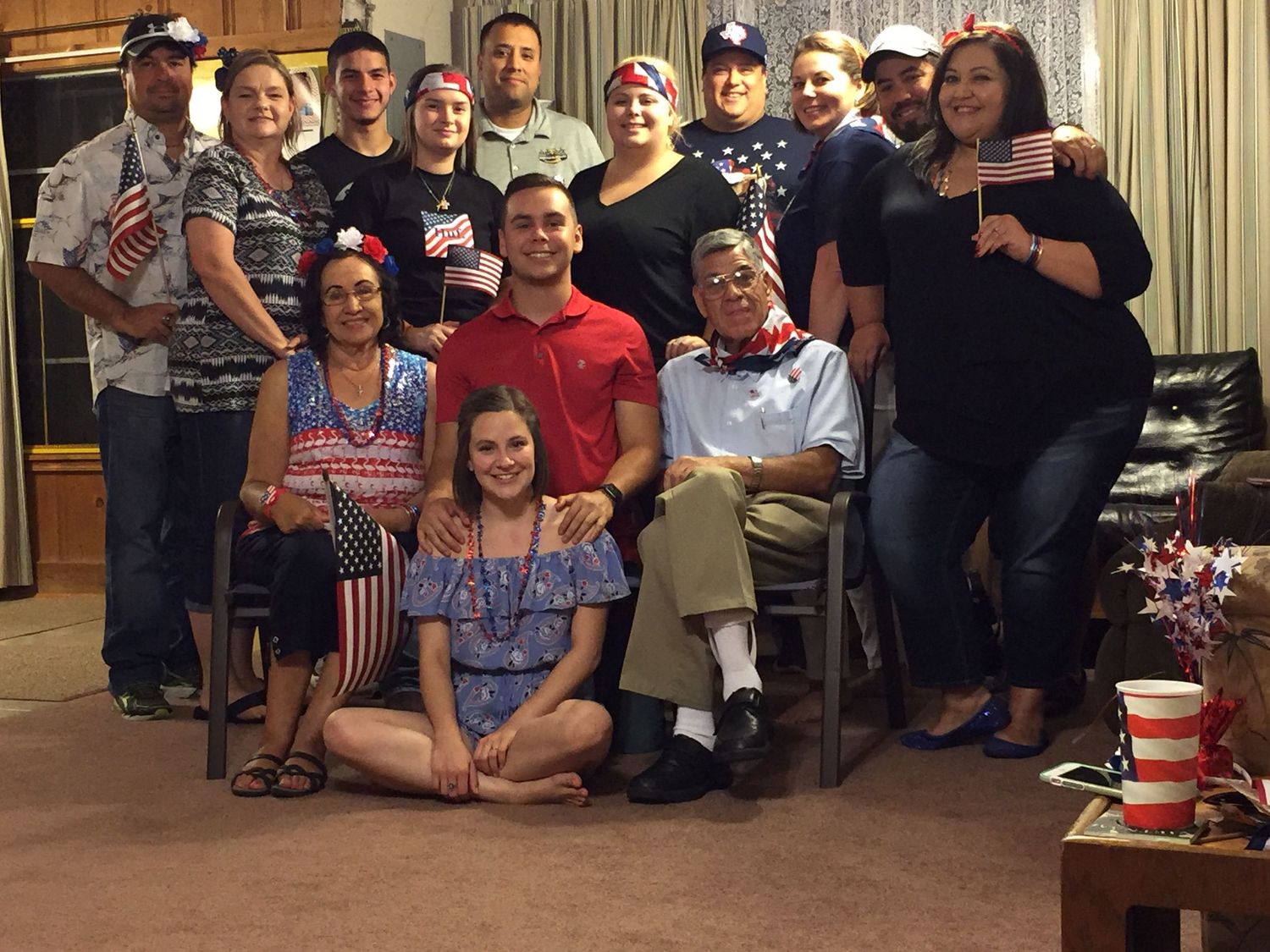
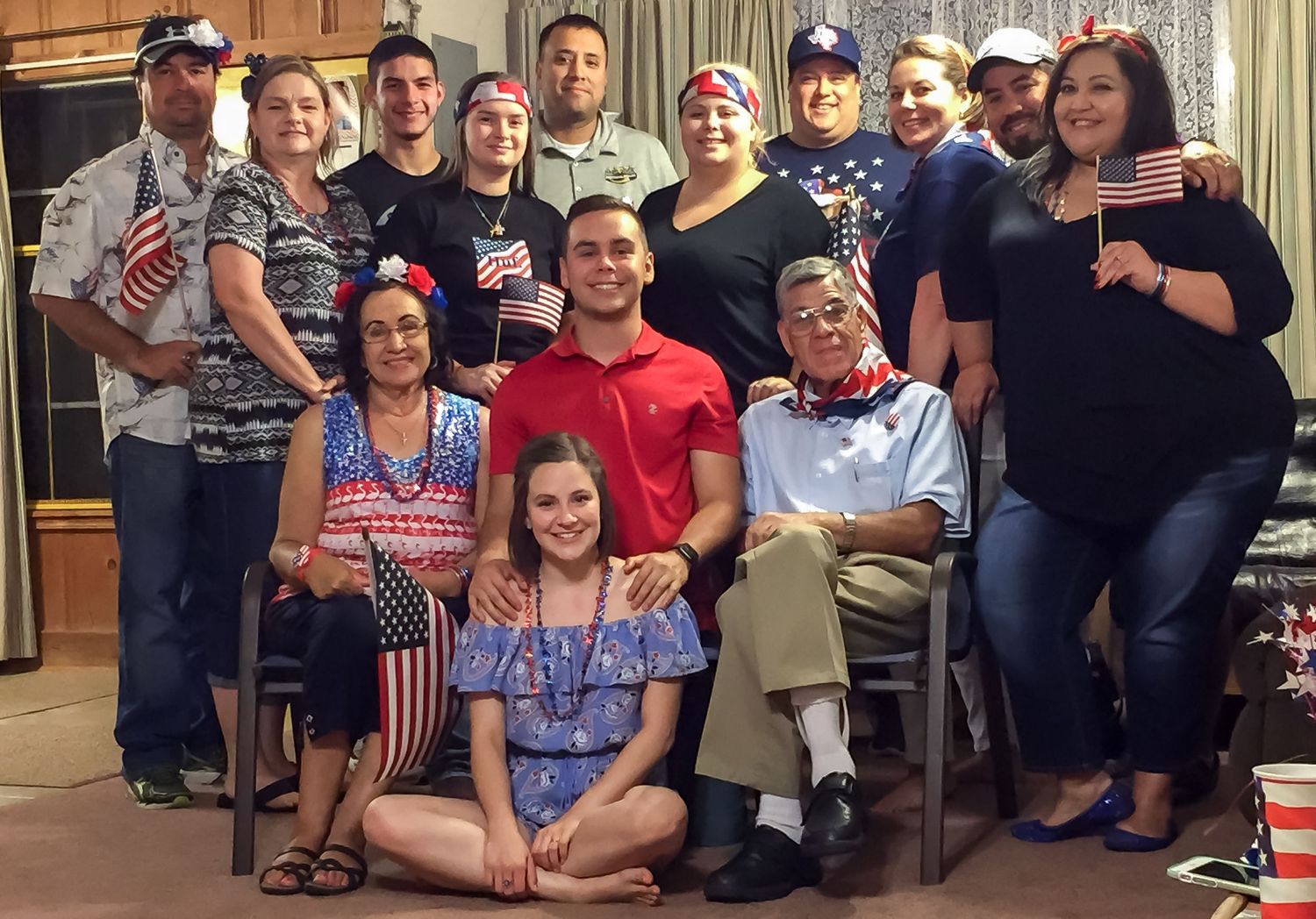
A high end photographer's camera , such as what I use, has the option to shoot in RAW. Shooting in RAW format, over JPEG format, captures an enormous amount of data in the scene. It's this data, information in the shadows, highlights, colors, dynamic range, that allows me to make adjustments and enhancements in post processing. Without having this data, such as in a JPEG, adjustments are minimal. Meaning if there is a lot of noise in shadows, or highlights are blown out on a face, or if there is motion blur, it can be difficult to impossible to correct. A good example is the photo above of my family. While I was able to make some adjustments such as brightening and enhancing the reds and blues, the blur and noise in shadows could not be corrected. I could print this in a 4x6 or 5x7, but any larger and it would not be crisp and clear as my normal RAW photos would be.
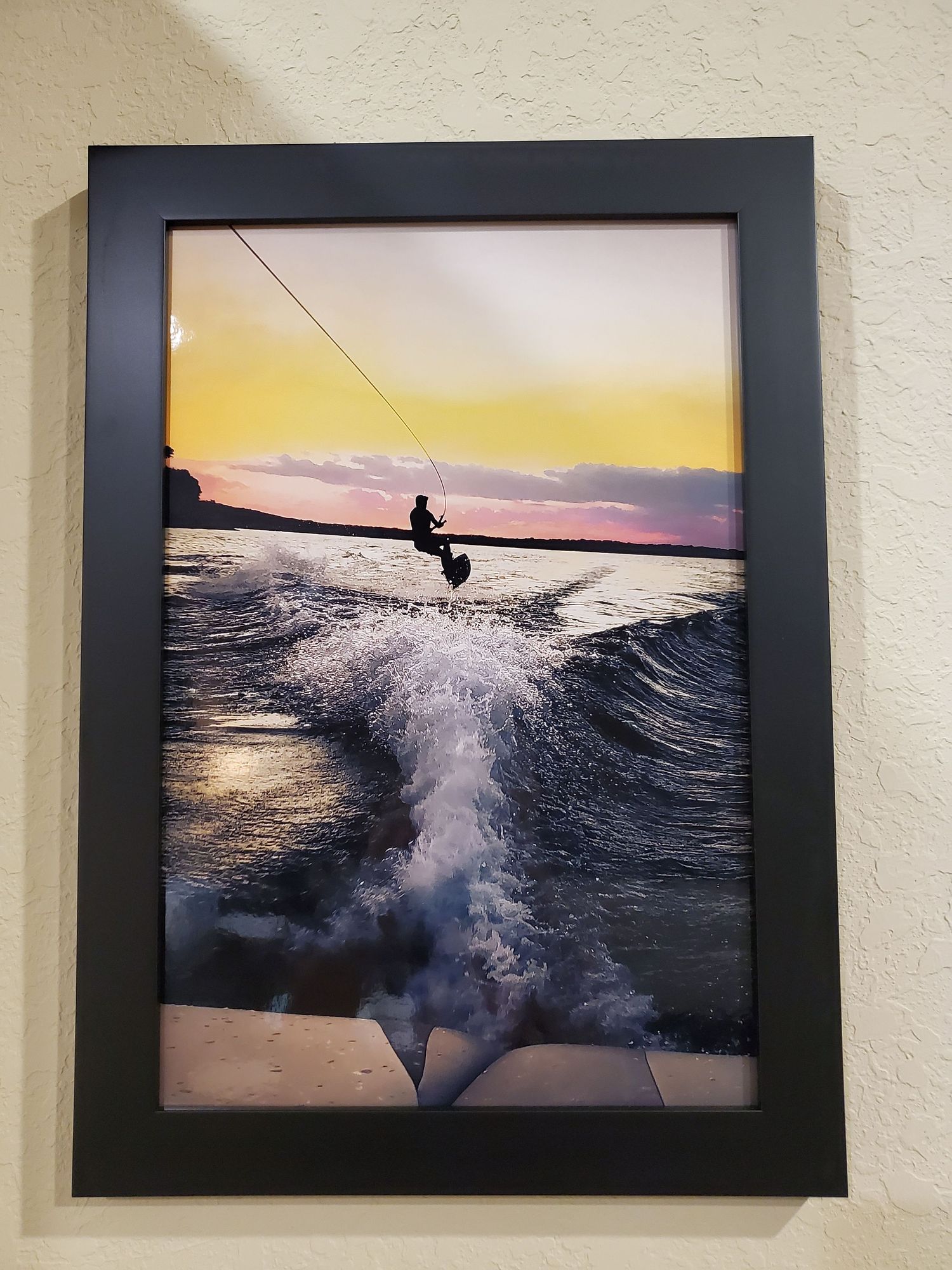
The photo of the wake boarder is a good example of a perfectly executed shot. Minor blurring in the water is expected due to the motion of the boat and water but the shooter had pretty steady hands and a great eye!